Blog Category
 Mobile App Testing(136)
 Web App Testing(11)
 Game Testing(24)
 Automation Testing(73)
 Security Testing(32)
 Performance Testing(15)
 Selenium(32)
 Test Management(15)
 Usability Testing(24)
 Guides and Tutorials(99)
 Best Practices(28)
 Expert Insights(20)
 Software Testing Events(4)
Our Services
- App Testing(136)
- Web App Testing(11)
- Game Testing(24)
- Automation Testing(79)
 Load Testing(9)
- Security Testing(32)
 Performance Testing(15)
 Hire a Tester(71)
Our Careers

Test Management Process: A Complete Guide
Test Management is very important to ensure high-quality software delivery and to ensure all-inclusive and high-end testing, a proper test management system is required. It ensures that the testing process proceeds in a correct manner.
Let us have a deep insight on Test Management.
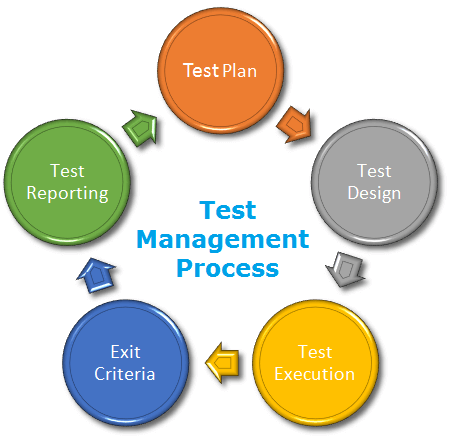
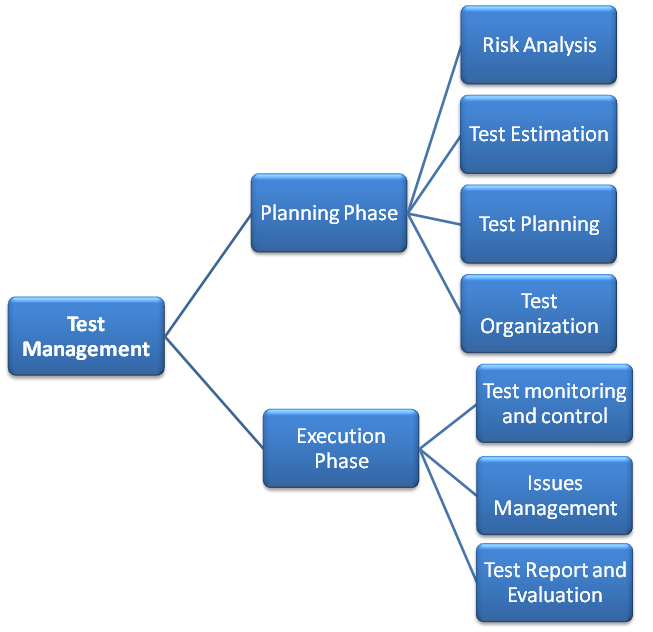 The complete test management process can be divided into two parts:


What is Test Management?
Test management as its name signifies is the process of managing the testing process. There are various tools that are deployed for Test management. They help in the management of both automated and manual tests that are already specified by a test process. To sum this up; Test Management is a method of- Organizing and controlling the Testing process.
- Warranting traceability, visibility, and control of the testing process to deliver high-quality software
Why do We Need Test Management?
Test management ensures the delivery of high-quality products that completely suffice on customers’ requirements. It assists in the delivery of software within tighter deadlines, allowing collaboration among developers and testers. In short leveraging test management process efficiently enhances:- Customer satisfaction
- Smoother and more consistent projects
- Timely product delivery
Who is Responsible for Test Management?
Though complete testing team along with the developers play a vital role in the process; the test Manager/lead is in charge. He acts as test support and is involved in resource planning & management, and resolving issues that create a hindrance in the testing effort. The Test Lead / Manager are responsible for:- Leading the Test Team.
- Outlining testing scope.
- Dedicating and managing test resources.
- Applying test metrics.
- Scheduling, installing and handling the testing effort.
- Thorough understanding of his role within the organization.
Test Management Process
Test Management is very important to enhance software development and delivery process. But the benefits of can only be availed if the complete process is carried out in a proper and systematic manner.
The complete test management process can be divided into two parts:
-
Planning
-
Execution
1. Planning
- Risk Analysis
- Test Estimation
- Test Planning
- Test Organization
2. Execution
- Test Monitoring and Control
- Issue Management
- Test Report and Evaluation
1. Planning
The first phase is planning, where all the planning for the complete test cycle takes place.- Risk Analysis and Solution
- Test Estimation
- Correct test estimations result in superior planning, execution, and monitoring of tasks.
- It also results in more precise test scheduling.
- It helps apprehend results in more assertively.
- Test Planning
- Test Strategy
- Test Objective
- Exit /Suspension Criteria
- Resource Planning
- Test Deliverables
- Test Organization
2. Execution
The second phase is test execution, where testing is actually executed to find testing results.- Test Monitoring and Control
- Monitoring
- Outlining project goal
- Observing the project performance
- Comparing planned vs. actual performance
- Recording and reporting of identified defects
- Controlling
- Issue Management
- Test Report & Evaluation
Test Management Responsibilities
There are a few tasks that are expected to perform, some of them are:- The most important role and responsibility is to improve the quality of the software.
- It is also responsible for the creation and upkeep of product metrics.
- It empowers developers to ensure that less design or coding errors are inserted in the code.
Test Management Tools
Test management requires a lot of planning. The test manager needs to select an efficient team, assign them various responsibilities based on their capabilities and so on. One of the major decisions to be taken by the test manager is to select the best test management tool for the complete process.Functions of The Tools
- Automatic generation of the required test matrix (RTM) that indicates functional coverage of the product
- Testware management
- Test scheduling
- The logging of results
- Test tracking
- Incident management
- Test reporting.
Tools Selection Principles
You should not just randomly pick any test management tool. Choice of test management tool depends on your requirements and its functionalities.Also Read: All Info About Software Development Engineer in Test(SDET)
Take time to analyze what you expect from this tool and then patiently study various features and pick the correct one for your project. Here are the Main Questions that you should ask before finalizing the Test Management Tool for your Project:- How capable is the test management tool to manage your projects and your team?
- Does this tool support develop test cases, test plans, test scenarios or user stories?
- Does this tool supports test runs, managing the testing process, usability, and efficiency?
- Is it capable of creating test reports?
- Is bug tracker available in this tool and what its speed is?
- Check out for some other features availability like import/export, incorporation with other systems, crash analytics, etc.
Test Management Tools
Some of the best test management tools are- TestRail
- TestLink
- EasyQA
- PractiTest
- JIRA
- qTest
- TestCollab
- TestLodge
- QA coverage
- TestCaseLab
- Zephyr
What are the Challenges in Test Management?
- Insufficient time for testing
- Lack of testing resources
- Budget and schedule constraints
- Lack of testing documents.
- The complexity of the requirements to test and validate
Test Management Best Practices
- Make Sure you Start Testing Activities at the Earliest Possible:
- Execute Iterative Tests:
- Reuse Test Assets
- Try to Improve the Time Spent:
- Deploy Requirement Based Testing and Testing Strategies:
- Ensure Coordination Among Co-Located Testing Resources:
- Utilize Malleable Testing Processes
- Utilize DevOps:
- Communication is the key to successful Test management
- Wise Automation can bring Huge Benefits
Conclusion
Test management is a very important process of software testing. It assures the better testing results and timely delivery of the final product. Make sure you follow the best test management practices and assure 100% customer satisfaction.
Recent Posts
- Positive Vs. Negative Testing: Examples, Difference & ImportanceApril 22nd, 2024
- What Is Statement Coverage Testing? Explained With Examples!April 13th, 2024
- 60 Important Automation Testing Interview Questions & AnswersApril 2nd, 2024
- Verification vs. Validation: Key Differences and Why They MatterMarch 19th, 2024
- What is Compatibility Testing? Example Test Cases Included!March 18th, 2024